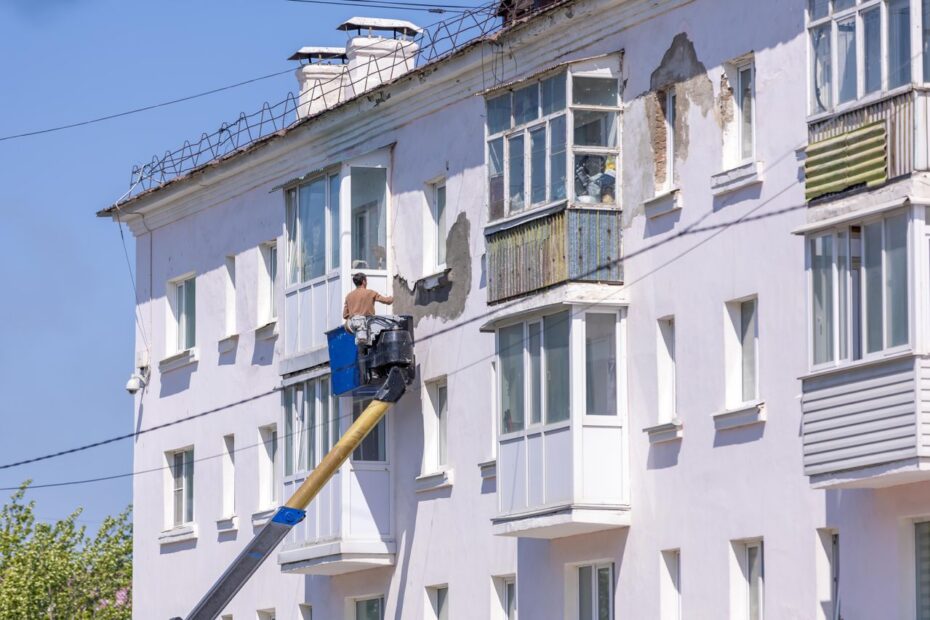
Your home’s exterior protects everything inside it. From the roof and siding to the windows, doors, and foundation, every exterior component works together to shield your property from rain, wind, sunlight, and changing temperatures. While many homeowners focus on interior improvements, regular exterior maintenance is equally important for preserving the condition, appearance, and value of a home. Small problems that go unnoticed can gradually develop into costly repairs, making routine maintenance one of the most effective ways to extend the life of your property and avoid unexpected expenses.
Why Consistent Exterior Maintenance Matters
Exterior maintenance is about more than keeping your home looking attractive. It helps identify potential issues before they become serious structural problems. Regular inspections of the roof, siding, gutters, windows, and foundation allow homeowners to spot damage early, making repairs simpler and less expensive. Cracked siding, loose shingles, blocked gutters, or damaged sealants may appear minor, but they can allow moisture to enter the home and cause long-term damage if ignored.
Cleaning the exterior is an essential part of ongoing maintenance. Dirt, mold, mildew, algae, and pollution can gradually accumulate on walls, driveways, roofs, and outdoor surfaces. Removing these contaminants not only improves curb appeal but also helps protect building materials from premature deterioration. Regular washing also allows homeowners to notice hidden cracks, loose panels, or other signs of wear that may require professional attention.
Gutters and drainage systems deserve particular attention because they direct rainwater away from the home. When gutters become clogged with leaves, dirt, or debris, water can overflow and collect around the foundation. Over time, this excess moisture may lead to foundation movement, basement leaks, or damage to exterior walls. Keeping gutters clean ensures proper water flow and reduces the risk of costly structural repairs.
Exterior paint and protective finishes also play an important role in preserving a home’s condition. Quality paint acts as a protective barrier against moisture, sunlight, and weather exposure. When paint begins to peel, crack, or fade, the underlying materials become more vulnerable to damage. Repainting at the appropriate time not only refreshes the home’s appearance but also helps protect wood, masonry, and other exterior surfaces from the elements.
Windows and doors should be checked regularly for damaged seals, worn weatherstripping, and signs of air or water leaks. Properly maintained windows and doors improve insulation, reduce energy loss, and help maintain comfortable indoor temperatures throughout the year. Replacing damaged seals or repairing minor issues early can significantly improve energy efficiency while preventing more extensive repairs later.
Landscaping also contributes to the health of the home’s exterior. Trees, shrubs, and plants that grow too close to the house can trap moisture, damage siding, or interfere with the roof and gutters. Maintaining appropriate clearance around the property improves airflow and reduces the risk of moisture-related problems while enhancing the overall appearance of the home.
Regular maintenance also helps preserve property value. A home with a clean, well-maintained exterior creates a positive first impression and demonstrates that the property has been properly cared for. Whether you plan to stay for many years or eventually sell, consistent maintenance helps protect your investment while reducing the likelihood of major renovation costs in the future.
Conclusion
Regular exterior maintenance is one of the simplest and most effective ways to protect your home. Routine inspections, cleaning, gutter care, paint maintenance, window and door checks, and proper landscaping all work together to preserve the appearance, safety, and structural integrity of the property. By addressing small issues before they become larger problems, homeowners can enjoy a more attractive, energy-efficient, and durable home while protecting its long-term value for years to come.