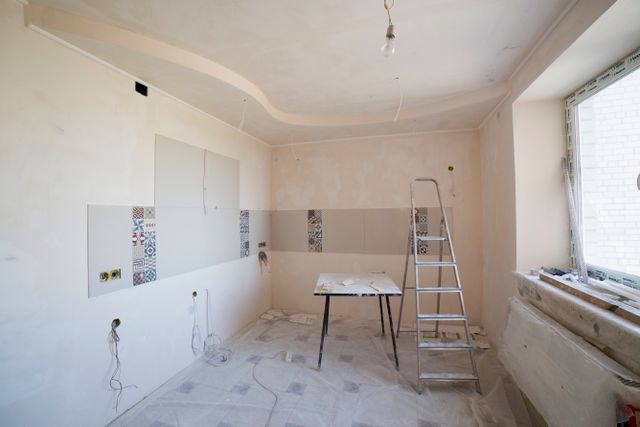
A successful home renovation is built on careful planning, informed decisions, and a clear vision for the finished result. Whether you are updating a single room or transforming your entire property, the planning stage determines how smoothly the project progresses and how satisfied you will be with the outcome. Renovations involve many moving parts, from budgeting and design to material selection and construction, making preparation essential for avoiding unnecessary stress and costly mistakes. By approaching your renovation with a structured plan, you can create a home that is more comfortable, functional, and valuable for years to come.
Planning Every Stage of Your Home Renovation
The first step in planning a successful renovation is identifying your goals. Every homeowner has different priorities, whether it is creating more living space, modernizing outdated interiors, improving energy efficiency, or increasing property value. Defining these objectives early helps shape every decision throughout the project and ensures that each improvement contributes to your long-term vision.
Once your goals are established, evaluating the current condition of your home becomes the next priority. A thorough assessment of structural components, plumbing, electrical systems, roofing, insulation, flooring, and interior finishes helps identify repairs that should be completed before cosmetic upgrades begin. Addressing underlying issues first creates a stronger foundation for the renovation and helps prevent unexpected problems after construction is complete.
Developing a realistic budget is another essential part of the planning process. In addition to labor and material costs, homeowners should account for permits, inspections, professional design services, temporary living arrangements if necessary, and unexpected repairs. Including a financial reserve for unforeseen expenses provides flexibility and helps prevent the project from being interrupted if hidden issues are discovered during construction.
Design decisions should be finalized before work begins whenever possible. Selecting flooring, cabinetry, paint colors, lighting, fixtures, appliances, and other finishes early allows contractors to work efficiently without delays caused by last-minute changes. Choosing durable materials and timeless styles also ensures that the renovation continues to look attractive and perform well long after current design trends have changed.
Working with experienced renovation professionals is equally important. Skilled contractors, designers, and tradespeople provide valuable guidance throughout the project, helping homeowners make practical decisions while ensuring construction meets local building regulations and quality standards. Open communication with your renovation team allows progress to be monitored closely and any concerns to be addressed before they become larger issues.
A successful renovation also requires careful scheduling. Organizing the sequence of construction tasks helps minimize delays and ensures different trades can complete their work efficiently. Allowing sufficient time for material deliveries, inspections, and finishing details contributes to a smoother renovation process and reduces unnecessary interruptions.
Throughout the project, flexibility and patience remain important. Unexpected discoveries such as hidden water damage, outdated wiring, or structural repairs may occasionally require adjustments to the original plan. Remaining focused on quality rather than speed helps ensure that every stage of the renovation is completed correctly and that the finished home meets both safety standards and personal expectations.
Finally, every renovation should be viewed as a long-term investment. Thoughtful planning, quality materials, and skilled workmanship create a home that offers greater comfort, improved functionality, increased energy efficiency, and stronger property value. These lasting benefits continue to reward homeowners long after the renovation has been completed.
Conclusion
Planning is the foundation of every successful home renovation. By setting clear goals, assessing your home’s condition, creating a realistic budget, finalizing design choices, working with experienced professionals, and allowing adequate time for quality construction, homeowners can avoid many common renovation challenges. A carefully planned renovation not only improves the appearance of a home but also creates a comfortable, efficient, and valuable living space that can be enjoyed for many years to come.