Skip to content

How to Plan a Successful Home Renovation from Start to Finish

  • by

Planning a home renovation is an exciting opportunity to improve the comfort, functionality, and value of your property. Whether you’re updating a single room or carrying out a complete house renovation, careful preparation is essential for achieving the best results. A well-planned renovation reduces unexpected costs, keeps the project on schedule, and helps ensure every improvement meets your long-term needs. By taking the time to organise each stage before work begins, homeowners can enjoy a smoother renovation experience and a home that is built to last.

Define Your Renovation Goals

The first step in any successful home renovation is understanding exactly what you want to achieve. Some homeowners renovate to create more living space, while others want to modernise outdated interiors, improve energy efficiency, or increase the property’s market value. Having clear objectives makes it easier to prioritise work and make informed decisions throughout the project.

Consider how your family currently uses the property and what improvements would make everyday living more comfortable. A well-defined plan helps prevent unnecessary changes once construction has started.

Set a Realistic Budget

Creating a practical budget is one of the most important parts of renovation planning. Research the likely costs of materials, labour, permits, and professional services before beginning the project. It is also wise to include a contingency fund for unexpected expenses, as hidden issues such as outdated wiring or structural repairs can sometimes appear once work begins.

Rather than focusing only on the lowest price, think about long-term value. Investing in quality workmanship and durable materials often saves money on future maintenance and repairs.

Prioritise Your Renovation Projects

Not every improvement needs to happen at the same time. If your budget is limited, focus first on projects that improve safety, structural integrity, and everyday functionality. Roof repairs, electrical upgrades, plumbing improvements, and insulation should generally take priority before cosmetic changes.

Once the essential work has been completed, decorative updates such as flooring, painting, lighting, and furnishings can be carried out with greater confidence.

Develop a Detailed Renovation Plan

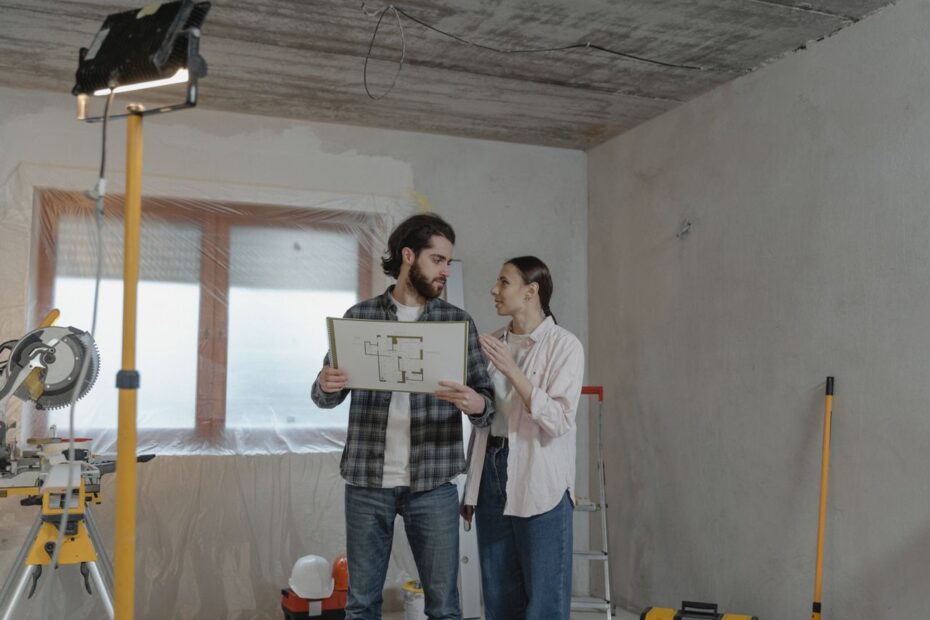
A successful renovation requires careful scheduling. Create a timeline that outlines each stage of the project, from demolition and structural work to plumbing, electrical installations, plastering, decorating, and finishing touches. Planning each phase helps minimise delays and ensures tradespeople can complete their work efficiently.

Ordering materials early is also important, particularly for products that may have longer delivery times. Having everything available before installation begins helps avoid unnecessary interruptions.

Choose High-Quality Materials

The materials you choose play a major role in the appearance, durability, and maintenance of your renovated home. While lower-cost products may seem attractive initially, premium materials often provide better performance over many years.

Flooring, kitchen cabinets, bathroom fittings, windows, insulation, and roofing materials should all be selected based on quality, durability, and suitability for your home’s style and local climate.

Work with Experienced Professionals

Hiring experienced builders, architects, and qualified tradespeople helps ensure your renovation is completed safely and professionally. Skilled professionals can provide valuable advice during the planning stage, recommend practical solutions, and identify potential challenges before they become expensive problems.

Good communication between homeowners and contractors also contributes to a more successful project. Regular progress updates help keep everyone aligned throughout the renovation.

Consider Future Needs

When planning improvements, think beyond your current requirements. A renovation should continue meeting your family’s needs for many years. Flexible layouts, additional storage, improved accessibility, and energy-efficient features can all add long-term value while making your home more enjoyable to live in.

Future-proofing your renovation today may reduce the need for further major alterations later.

Focus on Energy Efficiency

Modern renovations provide an excellent opportunity to improve your home’s energy performance. Upgrading insulation, installing energy-efficient windows, replacing outdated heating systems, and choosing LED lighting can lower energy bills while increasing comfort throughout the year.

Sustainable improvements not only benefit the environment but can also make your property more attractive to future buyers.

Prepare for Temporary Disruption

Home renovations can temporarily affect daily routines. Dust, noise, and restricted access to certain rooms are common during construction. If your kitchen or bathroom is being renovated, you may need temporary arrangements until work is completed.

Planning ahead helps minimise inconvenience and reduces stress throughout the project.

Review Progress Regularly

As work progresses, regularly inspect completed stages with your contractor to ensure everything meets your expectations. Addressing small concerns early is often easier than correcting them after the project has finished.

Maintaining open communication throughout the renovation encourages better results and helps keep the project on schedule.

Final Thoughts

A successful home renovation starts long before construction begins. Careful planning, realistic budgeting, quality materials, and experienced professionals all contribute to a smoother renovation process and better long-term results. By taking the time to prepare properly, homeowners can create attractive, functional spaces that enhance everyday living while increasing the value of their property. Whether you’re renovating a single room or transforming your entire home, thoughtful planning is the foundation of every successful project.…

Choosing the Right Exterior Materials for Long-Lasting Results

  • by

The exterior of your home is its first line of defence against the weather while also creating the first impression for visitors and potential buyers. Choosing the right exterior materials is one of the most important decisions homeowners make during a renovation or new construction project. High-quality materials improve durability, reduce maintenance requirements, enhance energy efficiency, and increase the overall value of the property. With many options available, understanding the strengths of each material can help you make informed decisions that provide long-lasting results.

Understand Your Local Climate

Before selecting exterior materials, consider the climate where your property is located. Homes are constantly exposed to rain, wind, sunlight, temperature changes, and seasonal weather conditions. Materials that perform well in one location may not be suitable for another.

For example, areas with heavy rainfall benefit from moisture-resistant materials, while properties exposed to strong sunlight require finishes that resist fading and heat damage. Choosing materials designed for your local environment helps extend the lifespan of your home’s exterior.

Prioritise Durability

Durability should always be one of the main factors when choosing exterior materials. While lower-cost products may reduce initial expenses, they often require more frequent repairs or replacement over time.

Quality brickwork, natural stone, fibre cement cladding, engineered timber, and durable render systems are popular choices because they provide excellent protection and maintain their appearance for many years. Investing in long-lasting materials often results in lower maintenance costs throughout the life of your home.

Consider Maintenance Requirements

Every exterior material requires some level of maintenance, but the amount varies considerably. Before making a decision, think about how much time and effort you are willing to spend maintaining your property.

Brick generally requires very little maintenance, while timber cladding may need regular painting or staining to protect it from weather exposure. Fibre cement products and modern composite materials offer attractive alternatives for homeowners looking for low-maintenance solutions.

Choosing materials that fit your lifestyle can save both time and money in the future.

Focus on Energy Efficiency

Exterior materials play an important role in your home’s thermal performance. Proper insulation, quality windows, and well-designed wall systems help maintain comfortable indoor temperatures while reducing energy consumption.

Modern renovation projects often include insulated cladding systems, energy-efficient glazing, and improved wall insulation to increase overall efficiency. These upgrades can contribute to lower heating and cooling costs while making the home more comfortable throughout the year.

Match the Style of Your Home

The exterior should complement the architectural style of the property. Traditional homes often suit brick, natural stone, or timber finishes, while contemporary properties may benefit from sleek render, metal accents, or composite cladding.

Selecting materials that work together creates a balanced appearance and improves kerb appeal. Colour, texture, and finish should all be considered to ensure the final design feels cohesive and visually attractive.

Think About Long-Term Value

Home improvements should not only look attractive today but also continue providing value in the future. Exterior materials that offer durability, weather resistance, and timeless appeal are often viewed positively by potential buyers.

Replacing worn-out cladding, upgrading roofing materials, improving insulation, and installing quality windows can all increase the property’s overall value while reducing future maintenance expenses.

Choose High-Quality Roofing Materials

The roof protects every part of the home, making roofing materials one of the most important exterior investments. Durable roof tiles, slate, and modern roofing systems are designed to withstand harsh weather conditions for many years.

When replacing a roof, it is also important to consider ventilation, insulation, and proper drainage to maximise performance and protect the entire structure.

Don’t Overlook Windows and Doors

Windows and doors contribute to both the appearance and energy efficiency of a property. Modern double or triple glazing provides better insulation while improving security and reducing outside noise.

Selecting high-quality frames made from uPVC, aluminium, or timber ensures long-lasting performance and complements the overall design of the home’s exterior.

Balance Cost and Quality

Budget is always an important consideration, but choosing materials based solely on price can lead to higher costs later. Premium materials often provide better durability, longer warranties, and reduced maintenance over time.

Comparing the lifetime value of different products rather than only the initial purchase price helps homeowners make smarter long-term investments.

Work with Experienced Professionals

Selecting exterior materials can sometimes be challenging due to the wide range of products available. Experienced builders, architects, and renovation specialists can recommend materials that suit your property’s style, budget, and environmental conditions.

Professional advice also helps ensure materials are installed correctly, as even the highest-quality products perform best when fitted using proper techniques.

Final Thoughts

Choosing the right exterior materials is an investment in your home’s appearance, durability, and long-term performance. By considering climate, maintenance requirements, energy efficiency, architectural style, and overall quality, homeowners can create an exterior that remains attractive and functional for many years. Careful planning and informed decisions help protect your property while improving its comfort, value, and lasting appeal.

Modern Interior Design Ideas for a Stylish Family Home

  • by

A well-designed home should be both beautiful and practical. Modern interior design focuses on creating comfortable living spaces that reflect your personal style while meeting the needs of everyday family life. Rather than following short-lived trends, today’s interiors combine clean lines, functional layouts, natural light, and timeless finishes to create spaces that remain attractive for years. Whether you’re renovating your entire home or refreshing a single room, thoughtful design choices can improve comfort, increase property value, and make your home more enjoyable for everyone.

Create an Open and Functional Layout

Modern family homes are designed to encourage connection while maintaining practical living spaces. Open-plan layouts remain a popular choice because they improve natural light and allow kitchens, dining areas, and living rooms to flow together seamlessly.

Even if structural changes are not possible, thoughtful furniture placement and removing unnecessary clutter can help rooms feel more spacious and welcoming.

Choose a Neutral Colour Palette

Neutral colours provide a timeless foundation for modern interiors. Shades of white, cream, soft grey, beige, and warm earth tones create a calm atmosphere while allowing furniture and decorative accessories to stand out naturally.

Neutral walls also make it easier to update your home’s appearance over time by changing cushions, artwork, rugs, or soft furnishings without needing to redecorate the entire room.

Maximise Natural Light

Natural light plays a significant role in modern interior design. Bright spaces feel larger, more inviting, and more comfortable throughout the day. Large windows, glazed doors, skylights, and open layouts help maximise daylight while improving energy efficiency.

Light-coloured walls, mirrors, and reflective surfaces can also increase brightness by allowing sunlight to spread more evenly throughout the room.

Invest in Quality Furniture

Rather than filling every room with unnecessary furniture, modern interiors focus on carefully selected pieces that combine style with functionality. Comfortable sofas, durable dining tables, practical storage units, and quality beds provide long-term value while maintaining a clean and organised appearance.

Choosing well-made furniture often proves more economical than replacing lower-quality items every few years.

Add Smart Storage Solutions

A clutter-free home immediately feels more spacious and relaxing. Built-in wardrobes, fitted shelving, under-stair storage, and multifunctional furniture help families stay organised while making better use of available space.

Hidden storage solutions are especially useful in smaller homes, where maximising every square metre is important.

Introduce Natural Materials

Modern interiors often combine contemporary design with natural textures to create warmth and character. Timber flooring, stone worktops, wooden furniture, linen fabrics, and woven accessories add depth without overwhelming the space.

Mixing natural materials with modern finishes creates a balanced design that feels both elegant and comfortable.

Layer Your Lighting

Lighting is about more than simply illuminating a room. A combination of ceiling lights, wall lights, table lamps, and floor lamps creates different moods while improving functionality throughout the home.

Warm lighting in living areas creates a cosy atmosphere, while brighter task lighting is ideal for kitchens, home offices, and reading spaces.

Keep Decorative Features Simple

Modern design embraces simplicity rather than excessive decoration. Carefully chosen artwork, indoor plants, textured cushions, and decorative accessories can personalise a room without creating visual clutter.

Focusing on a few statement pieces often creates a more sophisticated appearance than filling every surface with ornaments.

Design with Family Life in Mind

A stylish home should also be practical for everyday living. Durable flooring, stain-resistant fabrics, easy-to-clean surfaces, and furniture with rounded edges can make family life easier without compromising on appearance.

Creating flexible spaces that can adapt as children grow ensures your home continues meeting your family’s changing needs.

Add Personal Character

While modern interiors often feature clean lines and neutral colours, your home should still reflect your personality. Family photographs, meaningful artwork, travel souvenirs, and handmade decorations add warmth and individuality while making the space feel truly yours.

Balancing modern design with personal touches creates a home that is both elegant and welcoming.

Final Thoughts

Modern interior design is about creating attractive spaces that are practical, comfortable, and built around everyday family life. By focusing on functional layouts, natural light, quality materials, smart storage, and timeless finishes, homeowners can create interiors that remain stylish for years to come. Whether you’re renovating a single room or redesigning your entire property, thoughtful planning and well-chosen design elements can transform your house into a beautiful family home that combines comfort with lasting value.