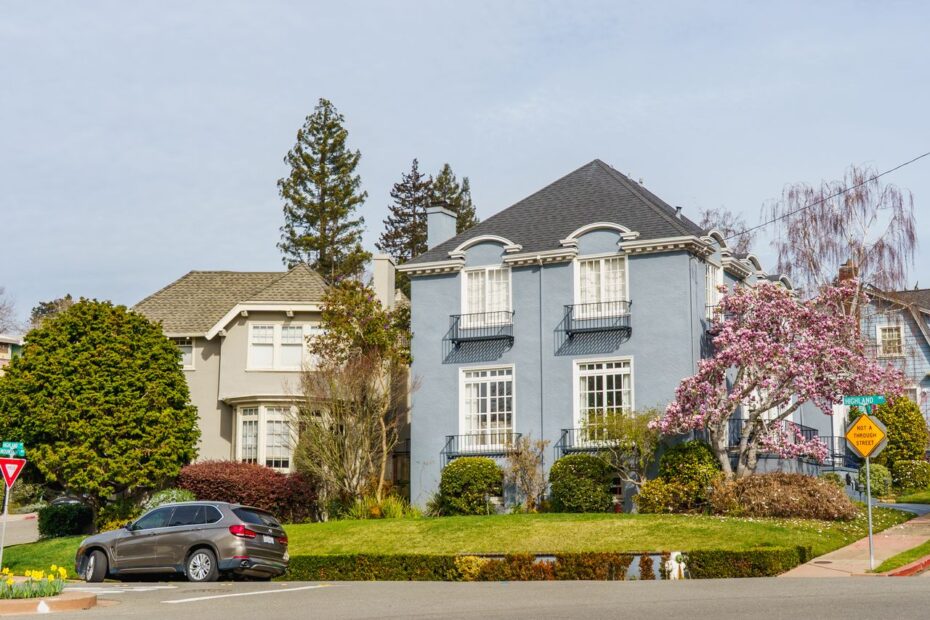
Your home’s exterior is its first line of defense against the elements. It protects the structure from rain, wind, sunlight, temperature changes, and everyday wear while also creating the first impression for visitors and potential buyers. Over time, even the strongest materials begin to show signs of aging. Ignoring these warning signs can lead to more serious structural problems, higher repair costs, and reduced property value. Recognizing when your home’s exterior needs immediate repair or renovation allows you to address issues early, preserve the condition of your property, and maintain a safe and attractive living environment.
Warning Signs You Should Never Ignore
One of the most obvious signs that your home exterior needs attention is visible damage. Cracked siding, peeling paint, loose bricks, damaged roofing, or broken trim not only affect the appearance of your home but also expose it to moisture and weather damage. Small cracks or gaps may seem minor at first, but they can allow water to penetrate the structure, eventually leading to rot, mold, or structural deterioration if left untreated.
Water damage is another serious indicator that exterior repairs are necessary. Stains on exterior walls, damp spots near windows, overflowing gutters, or water pooling around the foundation often point to drainage problems or damaged building materials. Moisture that enters the home’s structure can weaken walls, damage insulation, and create conditions for mold growth, making early repairs essential for protecting both the property and the health of its occupants.
An aging roof can also signal the need for renovation. Missing shingles, curled roofing materials, sagging areas, or visible leaks inside the home are signs that the roof may no longer provide adequate protection. Since the roof shields the entire structure from the weather, delaying repairs can result in widespread interior damage and significantly higher restoration costs.
Windows and exterior doors should also be inspected regularly. Drafts, difficulty opening or closing, condensation between glass panes, or visible deterioration around frames may indicate that these components are no longer performing efficiently. Replacing outdated windows and doors improves insulation, enhances security, and increases the overall energy efficiency of the home while giving the exterior a refreshed appearance.
Fading colors, worn finishes, and outdated design elements may not affect structural safety, but they can reduce curb appeal and lower property value. A fresh exterior renovation with updated materials, modern colors, and improved architectural details can completely transform the appearance of a home while making it more attractive to visitors and future buyers.
Higher energy bills may also point to exterior problems. Poor insulation, damaged siding, aging windows, or roof deterioration can allow heated or cooled air to escape, forcing heating and cooling systems to work harder. Renovating these exterior components helps improve indoor comfort while reducing long-term energy costs.
Regular inspections are the best way to identify exterior issues before they become major problems. Homeowners who routinely check their roof, siding, gutters, windows, foundation, and drainage systems are more likely to catch small defects early, allowing repairs to be completed before extensive damage occurs.
Conclusion
Your home’s exterior protects everything inside, making regular maintenance and timely repairs essential. Visible damage, water intrusion, roofing issues, inefficient windows, fading finishes, and rising energy costs are all signs that your exterior may need immediate attention. Addressing these problems through professional repairs or a complete renovation not only improves your home’s appearance but also strengthens its durability, increases energy efficiency, and protects its long-term value. Investing in your home’s exterior today helps prevent costly repairs and ensures lasting protection for years to come.