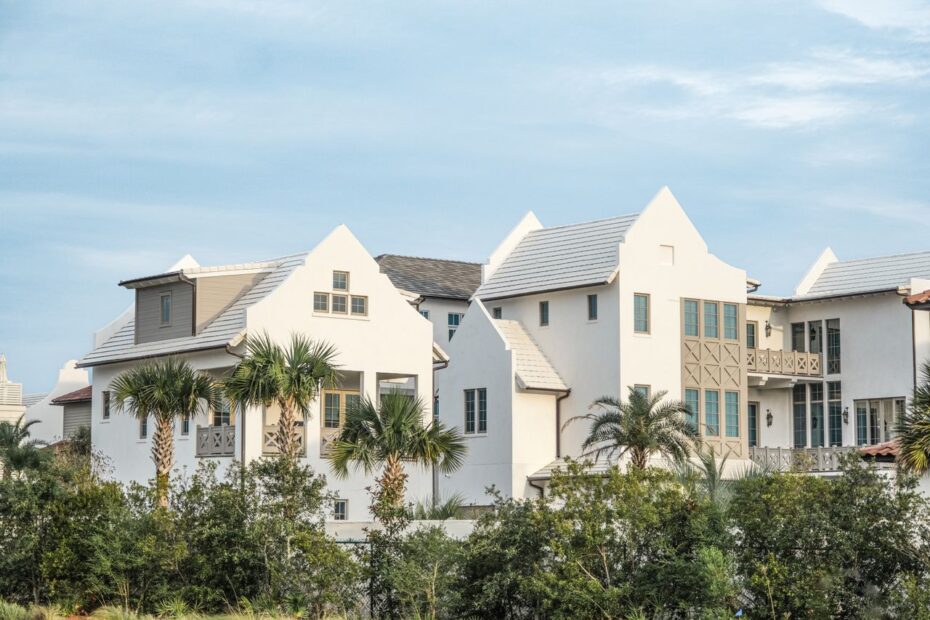
Improving your home’s energy efficiency starts with the exterior. While many homeowners focus on upgrading appliances or heating and cooling systems, the outside of the home plays a major role in maintaining comfortable indoor temperatures throughout the year. An outdated exterior can allow heat to escape during winter and let excessive warmth enter during summer, forcing your HVAC system to work harder and increasing energy costs. A well-planned exterior renovation can significantly reduce energy loss, improve comfort, and lower monthly utility bills while enhancing the appearance and value of your property.
Exterior Improvements That Increase Energy Efficiency
One of the most effective ways to improve energy efficiency is by upgrading your home’s insulation. Proper insulation inside exterior walls and roof spaces helps maintain a consistent indoor temperature by reducing heat transfer. Homes with inadequate insulation often experience uncomfortable temperature fluctuations and higher energy consumption. Adding modern insulation during an exterior renovation creates a more comfortable living environment while reducing the workload on heating and cooling systems.
Replacing old windows is another valuable investment. Older windows often allow drafts and heat transfer, making it difficult to maintain indoor comfort. Modern energy-efficient windows use advanced glass technology, insulated frames, and improved sealing systems to reduce energy loss. These windows not only improve insulation but also reduce outside noise and increase natural light, creating a brighter and more comfortable home.
Exterior doors also contribute to overall energy performance. Worn or poorly sealed doors allow conditioned air to escape and outside air to enter the home. Installing insulated exterior doors with quality weatherstripping helps create a tighter building envelope, reducing drafts and improving heating and cooling efficiency. Choosing durable materials also improves security while enhancing the home’s curb appeal.
Siding replacement is another opportunity to improve energy efficiency. Modern siding systems often include insulated backing or can be installed alongside additional wall insulation. Besides giving the home a fresh appearance, upgraded siding protects the structure from weather exposure while improving thermal performance. Durable materials also require less maintenance and provide long-lasting protection against moisture and temperature changes.
The roof has a significant impact on the home’s energy efficiency as well. Replacing aging roofing materials with modern, reflective products can help reduce heat absorption during warmer months. Proper roof ventilation is equally important because it allows excess heat and moisture to escape, helping maintain stable attic temperatures and extending the lifespan of roofing materials. Together, these improvements create a more efficient and healthier home.
Sealing gaps around windows, doors, vents, and utility openings is a simple but highly effective upgrade. Even small openings can allow significant air leakage, reducing the effectiveness of insulation and increasing energy costs. Professional air sealing helps eliminate drafts and improves the overall performance of the home’s exterior envelope.
Landscaping can also contribute to energy efficiency. Strategically planted trees and shrubs provide natural shade during summer while allowing sunlight to reach the home during winter. This natural temperature control helps reduce reliance on heating and cooling systems while enhancing the beauty of the property.
When these exterior improvements are combined, homeowners benefit from lower energy consumption, improved indoor comfort, reduced maintenance, and increased property value. Working with experienced renovation professionals ensures that every upgrade is installed correctly and delivers long-term performance.
Conclusion
Upgrading your home’s exterior for better energy efficiency is an investment that provides lasting rewards. Improved insulation, energy-efficient windows and doors, modern siding, quality roofing, proper air sealing, and thoughtful landscaping all work together to reduce energy loss and create a more comfortable living environment. By making these improvements during an exterior renovation, homeowners can enjoy lower utility costs, enhanced curb appeal, and a home that performs efficiently in every season.