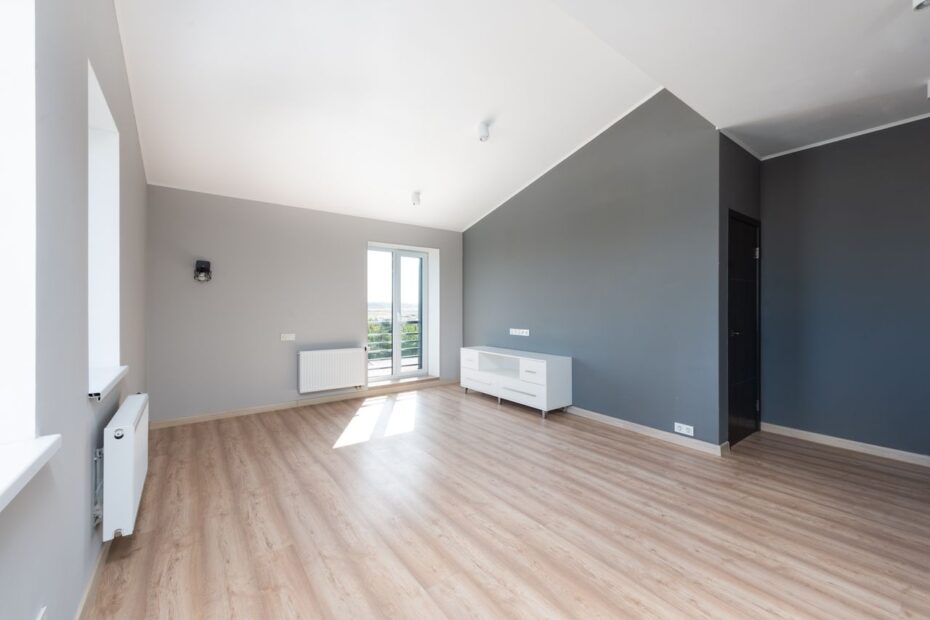
Planning a home renovation is exciting, but it can quickly become stressful if important details are overlooked. Whether you are updating a single room or transforming your entire property, careful planning is the key to achieving the results you want while staying within budget. Many homeowners begin renovations with great ideas but face delays, unexpected costs, or design changes because they rush into the project without a clear plan. Taking the time to organize every stage before construction begins helps create a smoother experience and leads to a finished space that meets both your needs and your expectations.
Start With a Clear Renovation Plan
Every successful renovation begins with a well-defined goal. Before choosing materials or hiring contractors, think about why you want to renovate your home. Perhaps you need more functional living space, want to improve energy efficiency, or simply wish to modernize an outdated design. Having a clear purpose makes it easier to prioritize improvements and avoid spending money on unnecessary changes.
Creating a realistic budget is equally important. Many renovation projects become more expensive than expected because homeowners forget to include hidden costs such as permits, demolition, temporary repairs, or material price increases. Setting aside a contingency fund for unexpected expenses can prevent financial stress if surprises arise during construction.
Choosing the right contractor also plays a major role in the success of your project. Look for experienced professionals who have completed similar renovations and can provide references from previous clients. A trustworthy contractor communicates clearly, explains timelines, and provides detailed estimates so you understand exactly what is included before work begins.
It is also wise to finalize your design decisions early. Constantly changing layouts, finishes, or fixtures after construction starts often leads to delays and additional costs. Selecting flooring, paint colors, cabinetry, lighting, and other materials in advance allows the project to move forward efficiently. If certain products need to be ordered, planning ahead also reduces the risk of waiting for backordered items.
Understanding local building regulations is another essential step. Some renovations require permits or inspections before work can begin. Ignoring these requirements may result in fines or difficulties when selling your home in the future. Working with knowledgeable professionals helps ensure that your renovation complies with all applicable building codes.
Communication should remain consistent throughout the project. Regular discussions with your contractor help address small issues before they become larger problems. Reviewing progress, asking questions, and confirming any necessary adjustments keeps everyone aligned and reduces misunderstandings.
Finally, remember that quality should always take priority over speed. While it may be tempting to choose the cheapest materials or rush the construction process, investing in durable products and skilled workmanship often saves money over time by reducing future repairs and maintenance.
Conclusion
A successful home renovation is built on thoughtful planning rather than quick decisions. By establishing clear goals, creating a realistic budget, hiring experienced professionals, making design choices early, and maintaining open communication throughout the project, you can avoid many of the common mistakes that lead to unnecessary expenses. Careful preparation not only makes the renovation process more enjoyable but also ensures your updated home provides lasting comfort, functionality, and value for years to come.