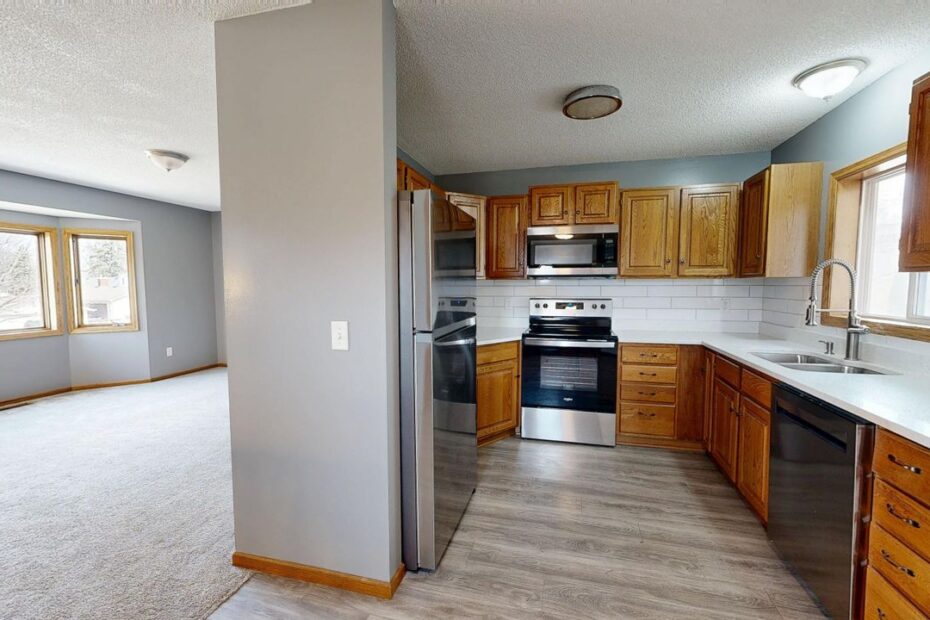
A home renovation has the power to completely transform the way a property looks, feels, and functions. While an older home may have character and history, outdated layouts, worn finishes, and aging materials can make daily living less comfortable. A well-planned renovation bridges the gap between the past and the present by preserving the home’s strengths while introducing modern features that improve comfort, efficiency, and style. The difference between a home before and after renovation is often far greater than a simple cosmetic upgrade—it creates a living environment that better supports today’s lifestyle while increasing long-term property value.
How Renovations Create Dramatic Home Transformations
The transformation begins with understanding the existing condition of the home. Older properties often have closed-off rooms, limited natural light, insufficient storage, and outdated fixtures that no longer meet modern expectations. Renovation provides the opportunity to rethink how every space is used, allowing homeowners to create layouts that are more open, practical, and welcoming.
One of the most noticeable improvements is the use of natural light. Modern renovation projects frequently include larger windows, glass doors, skylights, and lighter interior finishes that brighten the home. A space that once felt dark and confined can become open and inviting without significantly increasing the overall size of the property. Better lighting also enhances the appearance of flooring, walls, furniture, and decorative features, making the entire home feel more spacious.
Materials also play a major role in the transformation process. Replacing worn flooring, damaged walls, outdated cabinetry, and aging countertops with durable, high-quality materials immediately improves both appearance and performance. Modern finishes are designed to withstand everyday use while remaining easy to clean and maintain, helping homeowners enjoy their renovated spaces for years without constant repairs.
Functionality improves alongside appearance. Renovations often introduce better storage solutions, more efficient kitchens, updated bathrooms, and improved circulation throughout the home. Instead of wasting space, every room is designed with purpose, making daily activities more convenient and comfortable. Small changes in layout can have a significant impact on how the entire property feels.
Energy efficiency is another important part of modern home transformations. Replacing old windows, improving insulation, upgrading heating and cooling systems, and installing energy-efficient lighting help reduce energy consumption while creating a more comfortable indoor environment. These improvements not only lower long-term operating costs but also make the home more environmentally responsible.
Modern technology can also be integrated during renovation. Smart lighting, programmable thermostats, advanced security systems, and automated controls provide greater convenience without affecting the overall design. These features blend seamlessly into contemporary living while adding practical value to the property.
Perhaps the greatest transformation occurs in the overall atmosphere of the home. A renovated property feels cleaner, brighter, and more organized. Updated colors, carefully selected finishes, and thoughtful design choices create a welcoming environment where family members can relax, entertain guests, and enjoy everyday life. Rather than simply repairing old features, renovation gives the home a renewed sense of purpose and lasting appeal.
Conclusion
The journey from before to after renovation is about much more than changing appearances. It is an opportunity to improve functionality, increase comfort, enhance energy efficiency, and create spaces that better reflect modern living. Whether updating a single room or transforming an entire property, a carefully planned renovation turns outdated spaces into beautiful, practical homes that continue to provide value and enjoyment for many years to come.