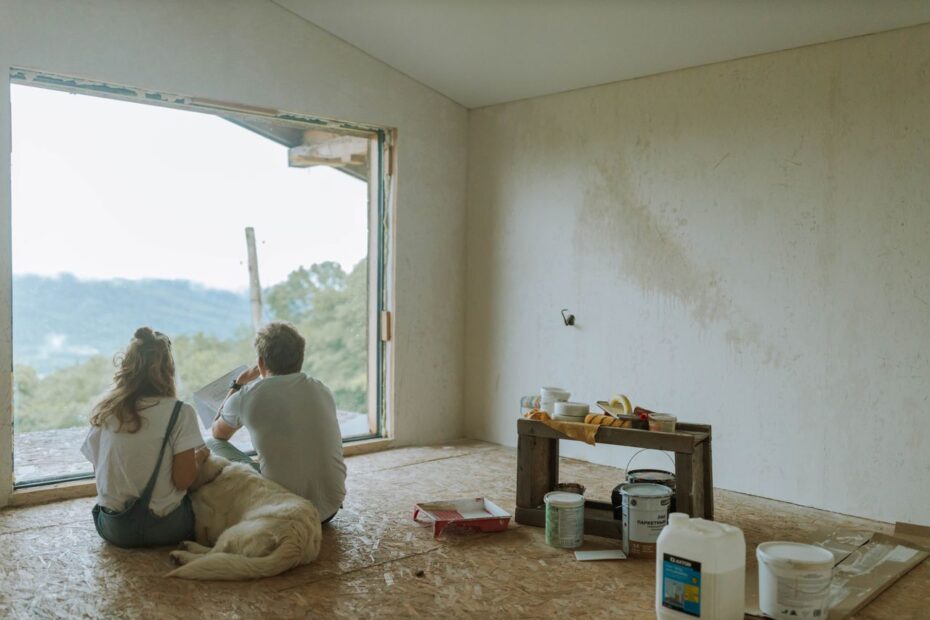
 Planning a home renovation is an exciting opportunity to improve the comfort, functionality, and value of your property. Whether you’re updating a single room or carrying out a complete house renovation, careful preparation is essential for achieving the best results. A well-planned renovation reduces unexpected costs, keeps the project on schedule, and helps ensure every improvement meets your long-term needs. By taking the time to organise each stage before work begins, homeowners can enjoy a smoother renovation experience and a home that is built to last.
Define Your Renovation Goals
The first step in any successful home renovation is understanding exactly what you want to achieve. Some homeowners renovate to create more living space, while others want to modernise outdated interiors, improve energy efficiency, or increase the property’s market value. Having clear objectives makes it easier to prioritise work and make informed decisions throughout the project.
Consider how your family currently uses the property and what improvements would make everyday living more comfortable. A well-defined plan helps prevent unnecessary changes once construction has started.
Set a Realistic Budget
Creating a practical budget is one of the most important parts of renovation planning. Research the likely costs of materials, labour, permits, and professional services before beginning the project. It is also wise to include a contingency fund for unexpected expenses, as hidden issues such as outdated wiring or structural repairs can sometimes appear once work begins.
Rather than focusing only on the lowest price, think about long-term value. Investing in quality workmanship and durable materials often saves money on future maintenance and repairs.
Prioritise Your Renovation Projects
Not every improvement needs to happen at the same time. If your budget is limited, focus first on projects that improve safety, structural integrity, and everyday functionality. Roof repairs, electrical upgrades, plumbing improvements, and insulation should generally take priority before cosmetic changes.
Once the essential work has been completed, decorative updates such as flooring, painting, lighting, and furnishings can be carried out with greater confidence.
Develop a Detailed Renovation Plan
A successful renovation requires careful scheduling. Create a timeline that outlines each stage of the project, from demolition and structural work to plumbing, electrical installations, plastering, decorating, and finishing touches. Planning each phase helps minimise delays and ensures tradespeople can complete their work efficiently.
Ordering materials early is also important, particularly for products that may have longer delivery times. Having everything available before installation begins helps avoid unnecessary interruptions.
Choose High-Quality Materials
The materials you choose play a major role in the appearance, durability, and maintenance of your renovated home. While lower-cost products may seem attractive initially, premium materials often provide better performance over many years.
Flooring, kitchen cabinets, bathroom fittings, windows, insulation, and roofing materials should all be selected based on quality, durability, and suitability for your home’s style and local climate.
Work with Experienced Professionals
Hiring experienced builders, architects, and qualified tradespeople helps ensure your renovation is completed safely and professionally. Skilled professionals can provide valuable advice during the planning stage, recommend practical solutions, and identify potential challenges before they become expensive problems.
Good communication between homeowners and contractors also contributes to a more successful project. Regular progress updates help keep everyone aligned throughout the renovation.
Consider Future Needs
When planning improvements, think beyond your current requirements. A renovation should continue meeting your family’s needs for many years. Flexible layouts, additional storage, improved accessibility, and energy-efficient features can all add long-term value while making your home more enjoyable to live in.
Future-proofing your renovation today may reduce the need for further major alterations later.
 Focus on Energy Efficiency
 Focus on Energy Efficiency
Modern renovations provide an excellent opportunity to improve your home’s energy performance. Upgrading insulation, installing energy-efficient windows, replacing outdated heating systems, and choosing LED lighting can lower energy bills while increasing comfort throughout the year.
Sustainable improvements not only benefit the environment but can also make your property more attractive to future buyers.
Prepare for Temporary Disruption
Home renovations can temporarily affect daily routines. Dust, noise, and restricted access to certain rooms are common during construction. If your kitchen or bathroom is being renovated, you may need temporary arrangements until work is completed.
Planning ahead helps minimise inconvenience and reduces stress throughout the project.
Review Progress Regularly
As work progresses, regularly inspect completed stages with your contractor to ensure everything meets your expectations. Addressing small concerns early is often easier than correcting them after the project has finished.
Maintaining open communication throughout the renovation encourages better results and helps keep the project on schedule.
Final Thoughts
A successful home renovation starts long before construction begins. Careful planning, realistic budgeting, quality materials, and experienced professionals all contribute to a smoother renovation process and better long-term results. By taking the time to prepare properly, homeowners can create attractive, functional spaces that enhance everyday living while increasing the value of their property. Whether you’re renovating a single room or transforming your entire home, thoughtful planning is the foundation of every successful project.