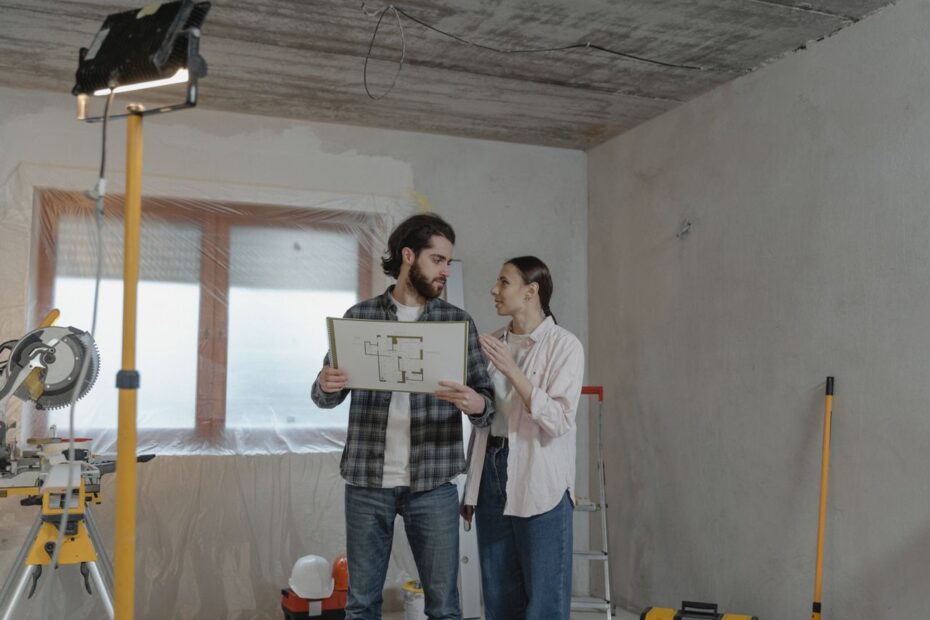
A successful home renovation does not begin with demolition or construction—it begins with a well-structured plan. Every renovation project, whether large or small, requires careful preparation to ensure that the finished result meets your expectations while staying within budget and on schedule. Without a clear plan, homeowners often face unexpected costs, project delays, and design changes that could have been avoided. Taking the time to organize every stage of the renovation creates a smoother process and helps transform your ideas into a home that remains functional, comfortable, and valuable for many years.
Building a Renovation Plan That Supports Long-Term Success
The first step in creating an effective renovation plan is identifying the purpose of the project. Every home has different needs, and understanding what you want to improve provides direction for every decision that follows. Some homeowners renovate to increase living space, while others focus on updating outdated interiors, improving energy efficiency, or preparing the property for resale. Defining your priorities from the beginning helps ensure that every improvement supports your overall goals.
Once your objectives are clear, it is important to evaluate the current condition of your home. Carefully examining the structure, electrical systems, plumbing, roofing, insulation, windows, and interior finishes helps identify areas that require attention. Addressing essential repairs before cosmetic upgrades ensures the renovation creates a solid foundation for long-term performance rather than simply improving appearance.
Developing a realistic budget is another essential part of the planning process. Renovations often involve more than material and labor costs, as permits, inspections, design services, and unexpected repairs may also affect the final investment. Including a contingency allowance for unforeseen expenses provides flexibility if hidden issues are discovered after work begins. A carefully planned budget helps homeowners make informed decisions without compromising the quality of the finished project.
Design planning should also be completed before construction starts. Selecting flooring, paint colors, cabinetry, lighting, fixtures, and other finishes in advance helps prevent delays caused by last-minute changes or unavailable materials. Choosing timeless designs and durable products ensures the renovation remains attractive and practical long after current trends have changed.
Working with experienced professionals is another important part of a successful renovation plan. Qualified contractors, designers, and tradespeople bring valuable expertise to every stage of the project. Their experience helps identify potential challenges early, improve construction quality, and ensure that all work complies with local building regulations. Clear communication with your renovation team also helps maintain realistic timelines and prevents misunderstandings throughout the project.
Planning should also consider how your family will live during construction. Depending on the size of the renovation, certain rooms may be temporarily unavailable, and some projects may require temporary adjustments to daily routines. Preparing for these disruptions in advance reduces stress and allows the renovation to progress more efficiently.
Finally, patience plays an important role in achieving lasting results. Quality craftsmanship requires time, and rushing the renovation often leads to mistakes that can affect both appearance and durability. Allowing each stage of construction to be completed properly helps ensure that every improvement performs as intended and continues to add value for years.
Conclusion
A well-planned home renovation creates the foundation for a successful and rewarding project. By defining clear goals, assessing your home’s condition, establishing a realistic budget, finalizing design decisions early, working with experienced professionals, and allowing sufficient time for quality workmanship, homeowners can avoid many common renovation challenges. Careful planning not only simplifies the renovation process but also results in a home that offers greater comfort, improved functionality, and lasting value for many years to come.